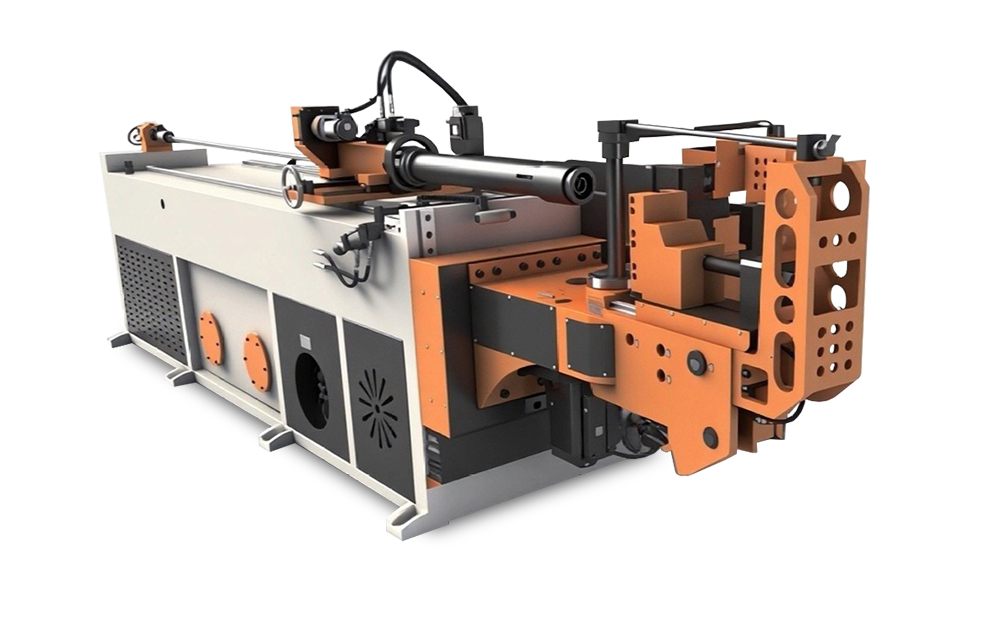
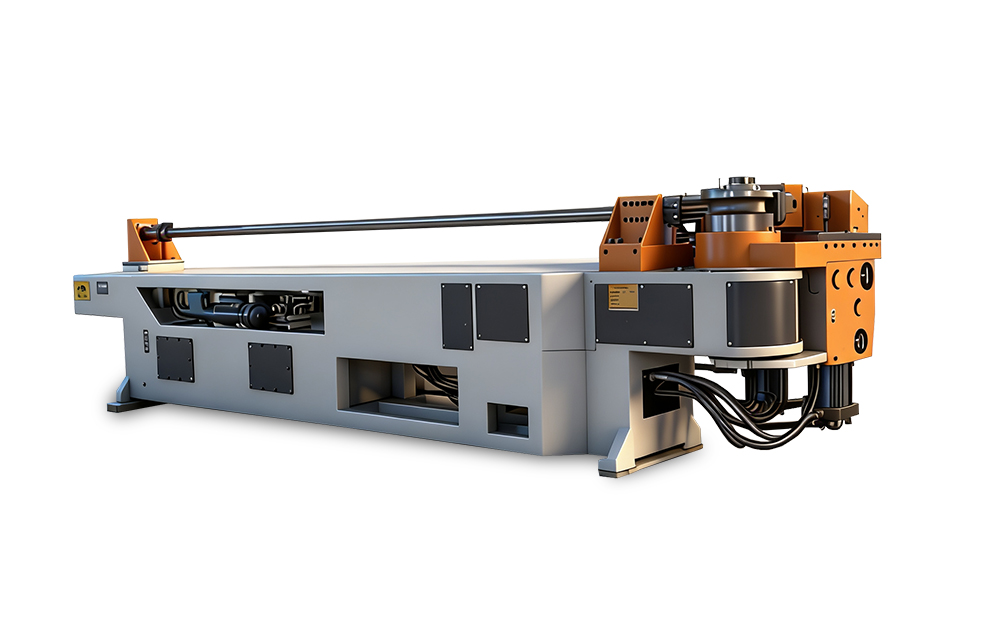
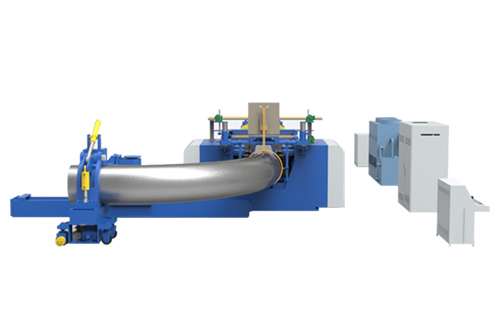
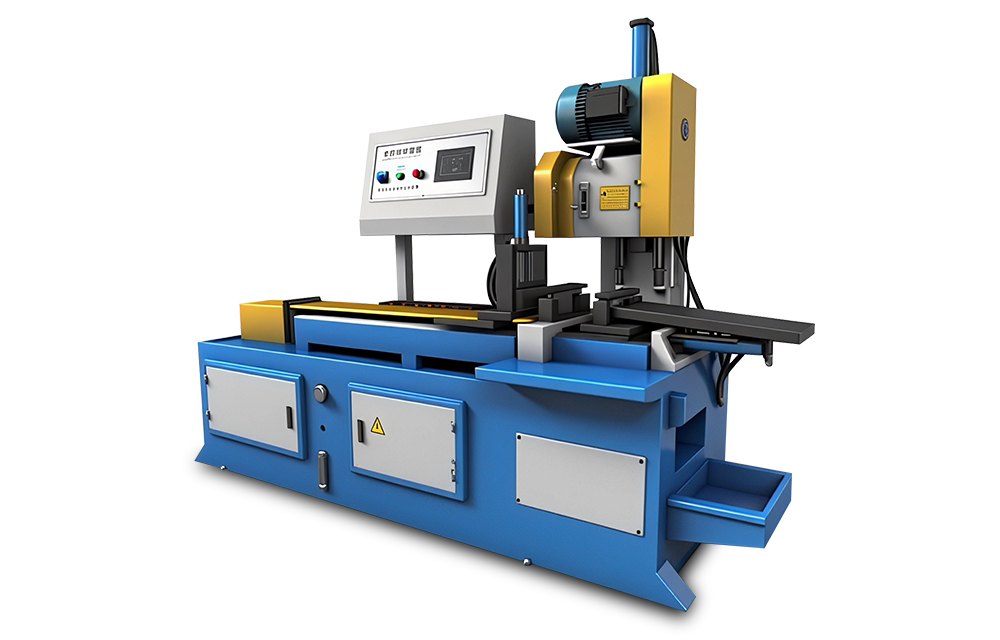
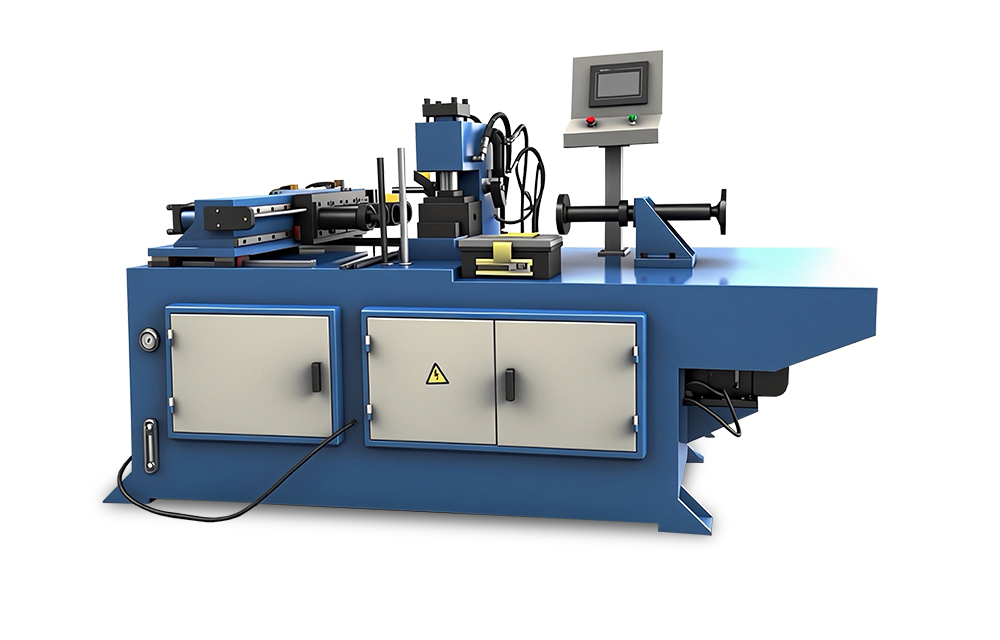
A fully automated machine that uses Computer Numerical Control (CNC) to bend pipes and tubes with high precision and repeatability. It utilizes multi-axis control to execute complex bending sequences and varying radii without manual intervention, making it ideal for high-volume production and complex geometries.
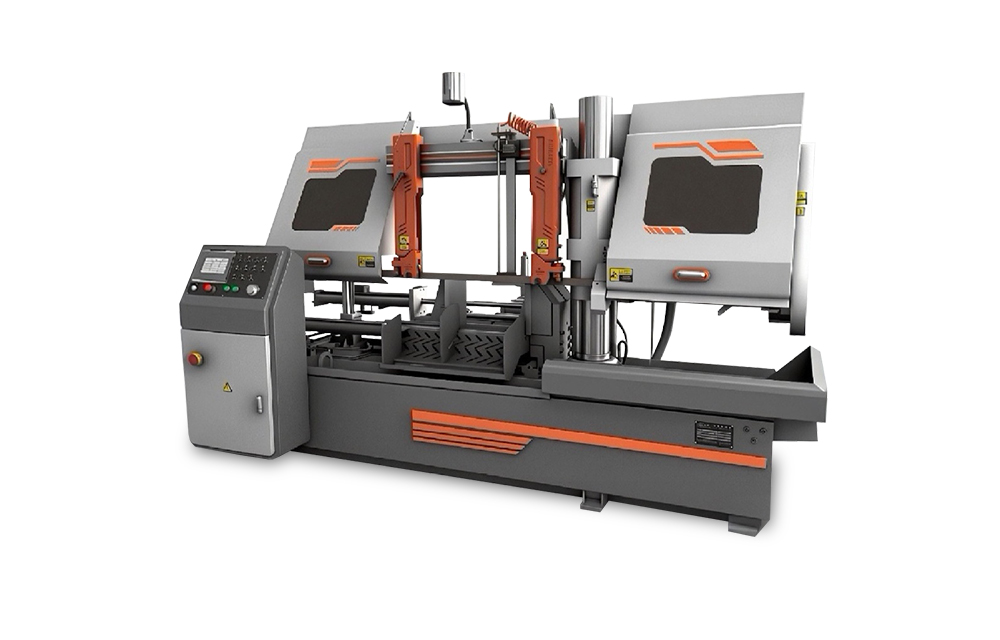
A cutting tool that uses a continuous metal band with teeth to slice through various metal workpieces. Available in horizontal and vertical configurations, these machines are essential for cutting bar stock, structural steel, and pipes to rough lengths before further machining.
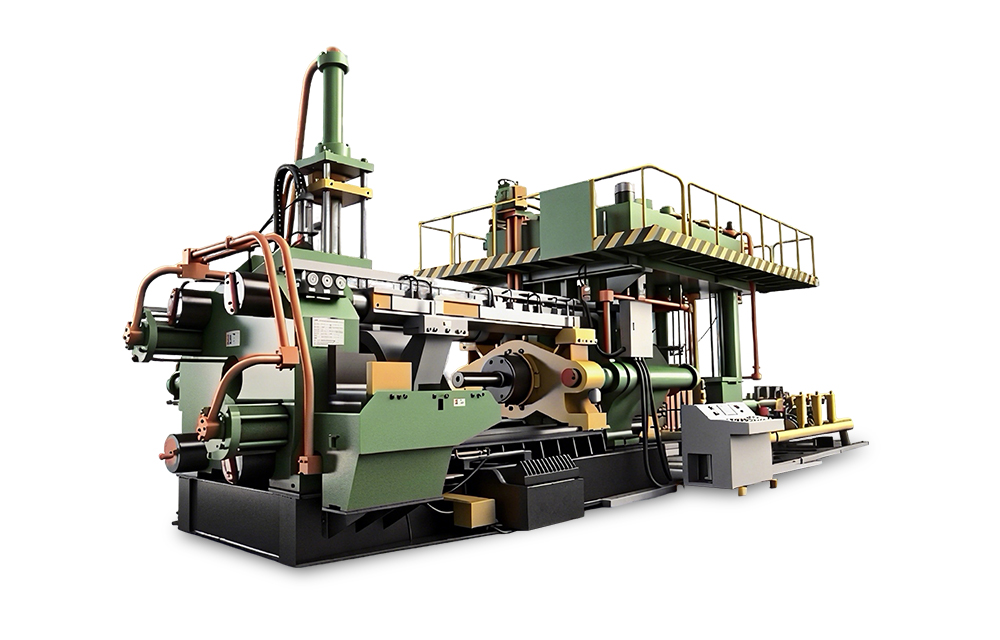
A heavy-duty hydraulic press system that forces heated aluminum billets through a shaped die to create profiles with a fixed cross-sectional profile. This machinery is used to manufacture structural components, window frames, and heat sinks.
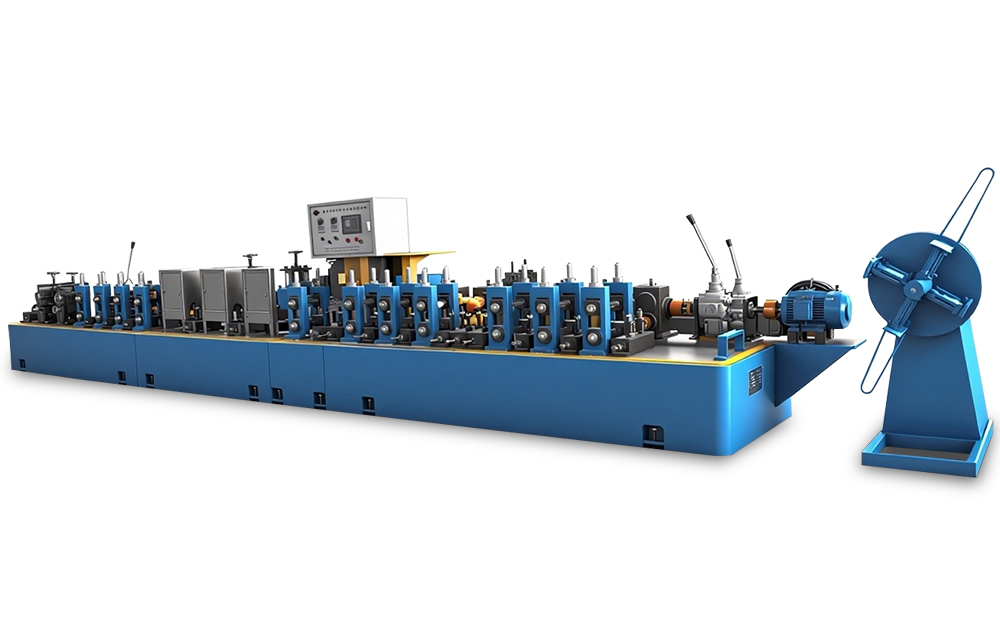
A continuous manufacturing line that forms flat metal strips into a tubular shape, welds the seam (typically via high-frequency welding), and sizes the tube to exact dimensions. It is the primary method for mass-producing steel pipes and structural tubing from coil stock.
A cost-effective bending solution that combines hydraulic bending power with manual tasks, such as feeding and rotating the tube between bends. It is best suited for small to medium batch production or simple parts where full automation is not cost-justified.
A specialized machine that uses an induction heating coil to locally heat a narrow section of a pipe while a swing arm bends it. This process is used for large-diameter or heavy-wall pipes (often for oil and gas pipelines) to minimize wall thinning and ovality during the bend.
A dedicated machine designed to cut pipes and tubes to specific lengths. These can range from simple abrasive chop saws to sophisticated orbital cutting machines or laser tube cutters that can cut to length while simultaneously cutting holes or slots in the tube wall.
A machine designed to reshape the end of a tube to allow for connections or assembly. Common operations include expanding, reducing (swaging), flaring, beading, or flanging the tube ends to fit into other components or hoses.
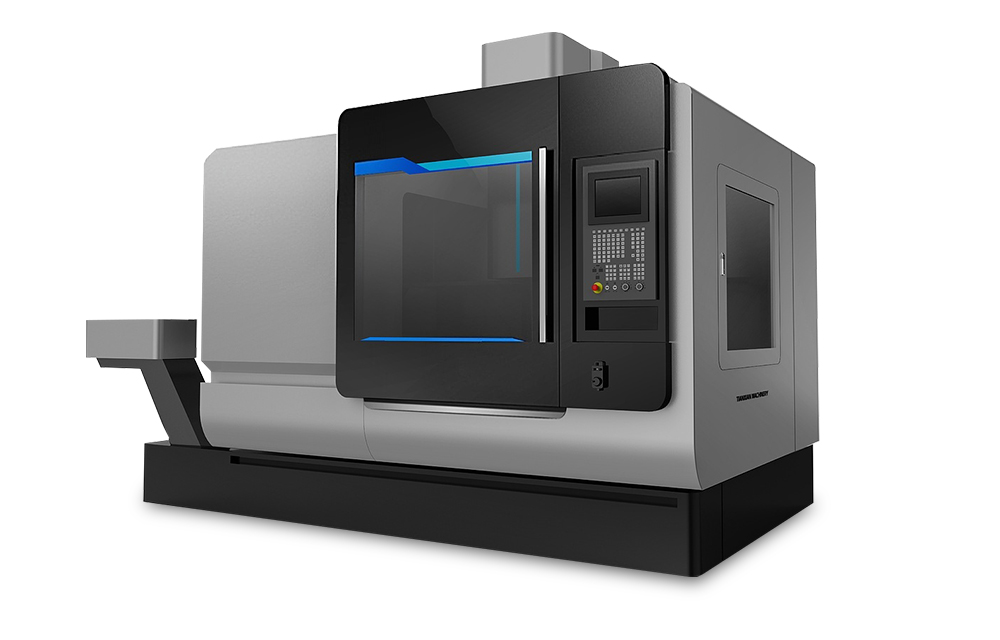
A highly versatile, computer-controlled machine tool capable of performing multiple subtractive manufacturing processes, such as milling, drilling, and tapping, on a single workpiece. It features an automatic tool changer to switch between operations rapidly, ensuring high precision and efficiency.
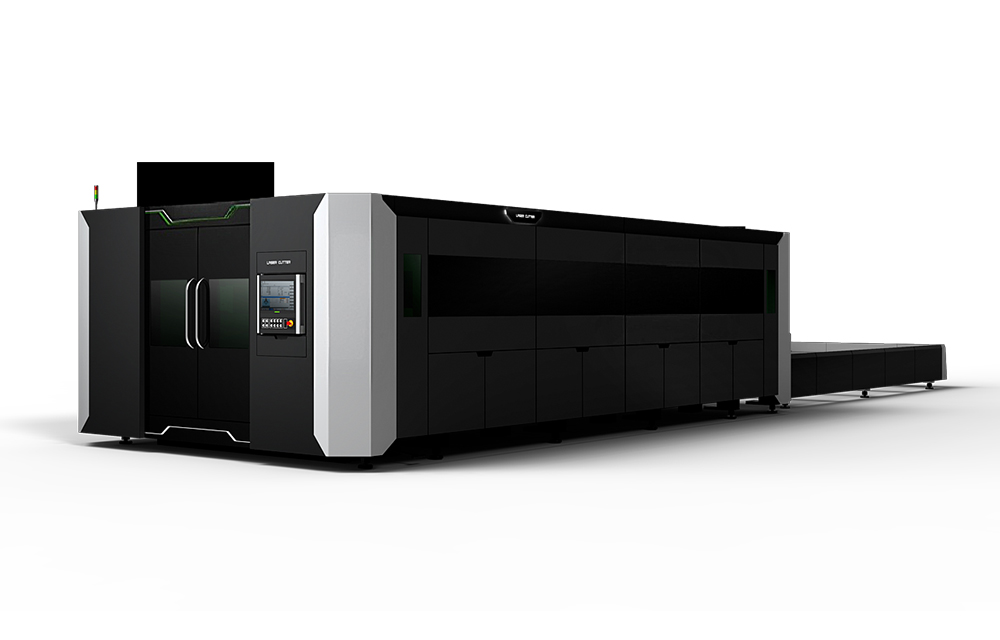
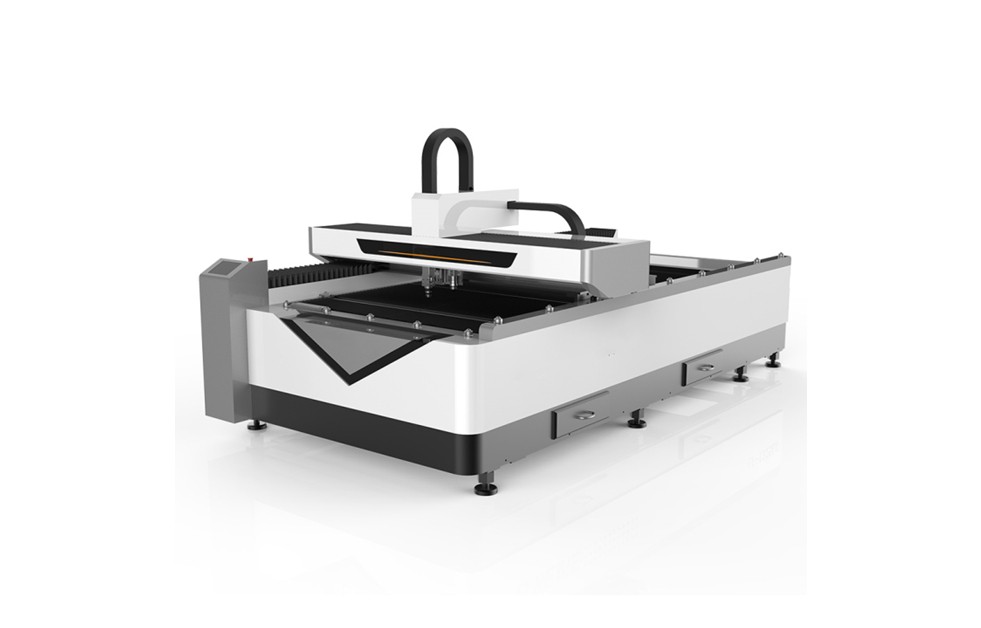
A precision cutting tool that directs the output of a high-power laser (typically Fiber or CO2) through optics to cut materials. It is widely used for cutting complex shapes out of sheet metal with high speed, extreme accuracy, and a high-quality edge finish.
A machine that cuts through electrically conductive materials by means of an accelerated jet of hot plasma. It is particularly effective for cutting thick metal plates (steel, stainless steel, aluminum) where laser cutting might be too slow or cost-prohibitive.
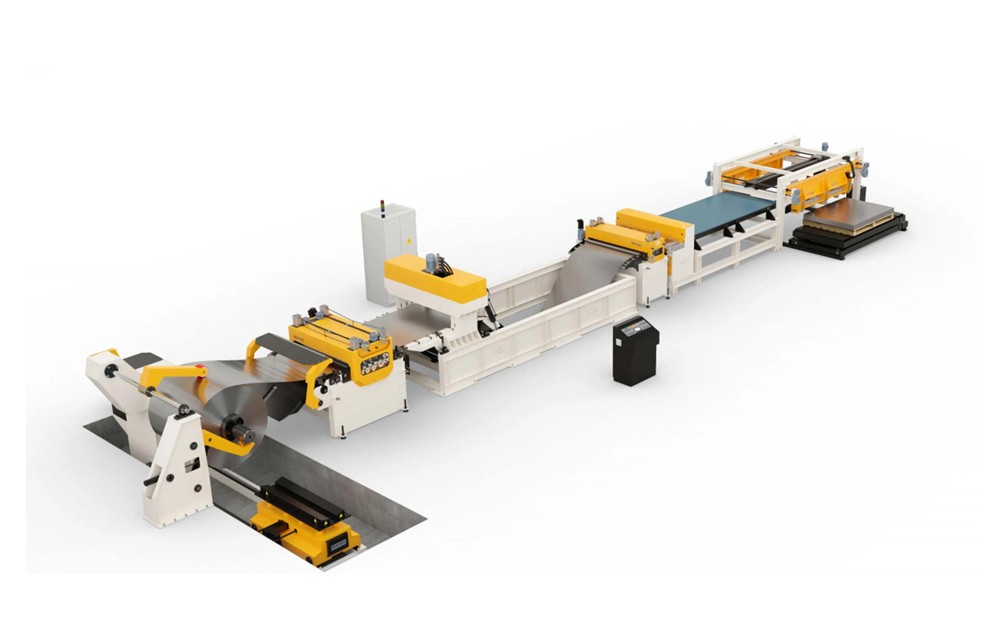
These are coil processing systems used to convert large metal coils into usable formats. A Slitting Line cuts a wide master coil lengthwise into narrower strips, while a Cut to Length Line unrolls the coil, levels it, and cuts it horizontally to create flat sheets of specific lengths.
Get The Best Quote For Your Products